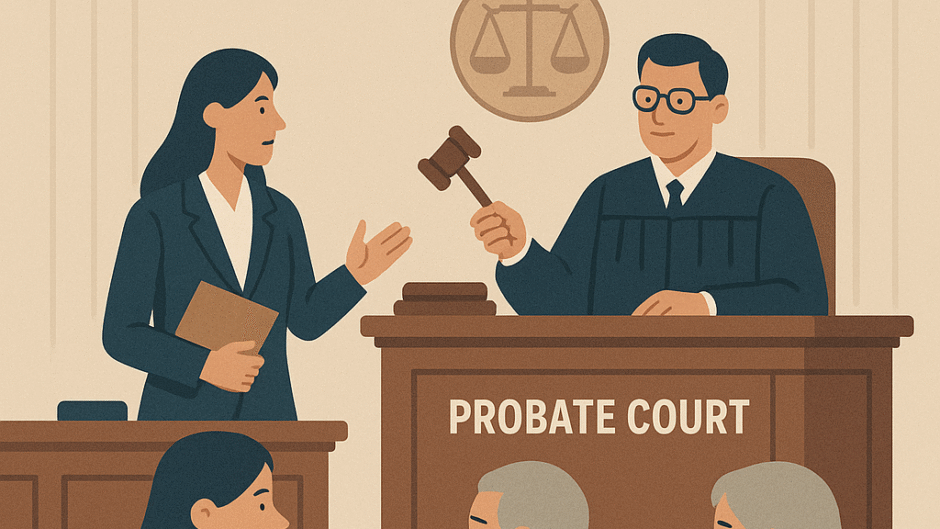
Losing a loved one is an incredibly difficult and emotional experience. Amid the grief, families are often faced with the challenging task of settling the deceased’s affairs. This legal procedure, known as probate, can feel overwhelming and confusing. For families in California, understanding the basics of the probate process in Alameda County is the first crucial step toward navigating this journey with clarity and confidence. This guide is designed to demystify the process, providing a clear roadmap of what to expect, how to prepare, and why professional guidance can be invaluable.
While the court system provides structure, the emotional weight and legal complexities can be significant. Knowing the key stages, potential costs, and strategies for simplifying the process – often with the guidance of a skilled Probate Attorney Alameda County – can empower you to manage your loved one’s estate responsibly and honor their final wishes.
What Exactly is Probate?
Probate is a court-supervised legal process that takes place after someone dies. Its primary purpose is to ensure that the deceased person’s debts are paid and their assets are legally transferred to the correct beneficiaries. Think of it as a formal “wrapping up” of a person’s financial life.
The court’s involvement serves several important functions:
- Validating the Will: If the deceased person (the “decedent”) left a will, the probate court determines if it is legally valid.
- Appointing a Representative: The court officially appoints an individual – called an “executor” if named in the will or an “administrator” if there is no will – to manage the estate. This person is also known as the personal representative.
- Protecting Creditors: Probate ensures that legitimate creditors have an opportunity to file claims against the estate and be paid.
- Transferring Title: It provides a clear and legal transfer of property titles from the decedent to their heirs, preventing future disputes over ownership.
Essentially, probate provides a structured and supervised environment to ensure the decedent’s estate is settled fairly and according to the law.
Is Probate Always Necessary in California?
A common misconception is that all estates must go through probate. In California, this isn’t always the case. The need for probate largely depends on the type of assets the decedent owned and how they were titled.
Assets That Typically Require Probate
Certain assets are almost always subject to probate if they are not structured to avoid it. These are assets owned solely in the decedent’s name without a designated beneficiary.
- Solely Owned Real Estate: A house or piece of land titled only in the decedent’s name will need to go through probate to be transferred to an heir.
- Bank and Brokerage Accounts: Checking accounts, savings accounts, or investment portfolios held in the decedent’s name alone, without a payable-on-death (POD) or transfer-on-death (TOD) designation, are part of the probate estate.
- Personal Property: Valuable items like cars, jewelry, and art without a co-owner or other legal transfer mechanism are included.
- Business Interests: Ownership in a sole proprietorship or partnership often requires probate to be properly transferred or liquidated.
Assets That Can Bypass Probate
Many common assets can be passed directly to beneficiaries without court intervention, which is a key goal of modern estate planning.
- Assets in a Living Trust: This is the most common and effective way to avoid probate. Assets properly transferred into a living trust during the decedent’s lifetime are controlled by the terms of the trust, not the probate court.
- Assets Held in Joint Tenancy: Property owned with another person in “joint tenancy with right of survivorship” automatically passes to the surviving owner(s) upon death.
- Retirement Accounts and Life Insurance: Accounts like 401(k)s, IRAs, and life insurance policies with named beneficiaries are paid directly to those individuals. This is a contractual arrangement that bypasses probate entirely.
- Payable-on-Death (POD) and Transfer-on-Death (TOD) Accounts: Many bank and brokerage accounts can have beneficiaries designated directly on the account, allowing for a seamless transfer of funds after death.
- Small Estates: California law offers simplified procedures for small estates. If the total value of the probate assets is below a certain threshold (which is adjusted periodically), a full, formal probate may not be required.
A Step-by-Step Guide to the Probate Process in Alameda County
For estates that do require a formal probate, the process follows a structured sequence of events managed through the Alameda County Superior Court. While each case is unique, the general steps are consistent.
Step 1: Filing the Petition
The process begins when an interested party, usually the person named as executor in the will, files a Petition for Probate with the court. This petition asks the court to open the probate case, admit the will (if one exists), and appoint a personal representative. The original will and a certified copy of the death certificate must be filed along with the petition.
Step 2: Notifying Heirs and Creditors
California law requires that all heirs, beneficiaries named in the will, and known creditors receive formal notice that a probate case has been opened. This allows them to participate in the proceedings or file claims against the estate. Additionally, a notice must be published in a local newspaper to inform any unknown creditors.
Step 3: Appointing the Personal Representative
At the first court hearing, the judge will officially appoint the personal representative. This person receives a legal document called “Letters Testamentary” (for an executor) or “Letters of Administration” (for an administrator). This document grants them the legal authority to act on behalf of the estate – to access bank accounts, manage property, and communicate with financial institutions.
Step 4: Inventorying and Appraising Estate Assets
One of the personal representative’s most important duties is to locate, identify, and manage all of the decedent’s assets. They must complete a detailed form called the “Inventory and Appraisal,” which lists everything the decedent owned at the time of death. A court-appointed “probate referee” will then value all non-cash assets, such as real estate, business interests, and valuable personal property, to determine their fair market value.
Step 5: Paying Debts, Taxes, and Expenses
The personal representative is responsible for paying all of the estate’s legitimate debts and ongoing expenses. This includes the decedent’s final medical bills, credit card balances, utility bills, and funeral expenses. They must also file the decedent’s final income tax returns and any required estate tax returns. All valid creditor claims must be paid before any assets can be distributed to the beneficiaries.
Step 6: Distributing Assets to Heirs and Beneficiaries
Once all debts, taxes, and administrative expenses have been paid, the personal representative can file a final petition with the court, asking for permission to distribute the remaining assets. This petition includes a final, detailed accounting that shows all the money that came into the estate and all the money that was paid out. It is a critical document that must be accurate and transparent. The legal counsel for the estate, who may be the same trusted advisor the decedent used, such as an estate planning attorney oakland, will typically prepare this petition. Suppose the court approves the petition and accounting. In that case, it will issue an order instructing the personal representative to distribute the property to the heirs precisely as specified in the will or by state law. This final court order is the legal authority needed to transfer titles and close out accounts in the beneficiaries’ names.
Step 7: Closing the Estate
After distributing all assets and filing receipts with the court, the personal representative can request to be formally discharged from their duties. Once the court grants this final order, the probate case is officially closed.
Common Challenges
Even with careful planning, unexpected issues can arise during probate. Being aware of these potential hurdles can help you address them effectively.
- Dealing with Will Contests:
- What it is: A formal objection raised in court challenging the validity of the will.
- Common Grounds: Claims of undue influence, fraud, lack of capacity (the decedent wasn’t of sound mind), or improper execution of the document.
- Impact: Can be emotionally draining and financially costly, often leading to lengthy litigation.
- Navigation: Having an experienced attorney is critical to defending or pursuing such a claim.
- Managing Family Disputes:
- Root Cause: Grief can amplify existing family tensions.
- Typical Disagreements: Often arise over the distribution of personal property with sentimental value or the personal representative’s management of assets.
- Navigation:
- Open Communication: The personal representative should strive to be transparent, providing regular updates to all beneficiaries.
- Neutral Third Party: In contentious situations, an attorney can act as a neutral third party, helping to mediate disputes and ensure all actions comply with legal and fiduciary duties.
Conclusion
The probate process, while detailed and legally intensive, is a manageable one. By understanding the key steps, timelines, and costs involved, you can approach the task with greater confidence. Whether you are acting as a personal representative or are a beneficiary of an estate, knowledge is your most powerful tool. Remember that you do not have to navigate this path alone. Seeking professional guidance from legal experts can alleviate the administrative burden and prevent costly missteps. Ultimately, careful preparation and planning are the best ways to protect your family’s assets and legacy, making the probate process in Alameda County a clear and structured conclusion to a loved one’s affairs.